Your car’s suspension system is responsible for the smooth and comfortable ride and maintaining proper handling of the vehicle. But over time, even the most durable suspension systems will wear out. So, what exactly causes the suspension to deteriorate, and how can you prevent it from happening too quickly?
The Car’s Suspension System
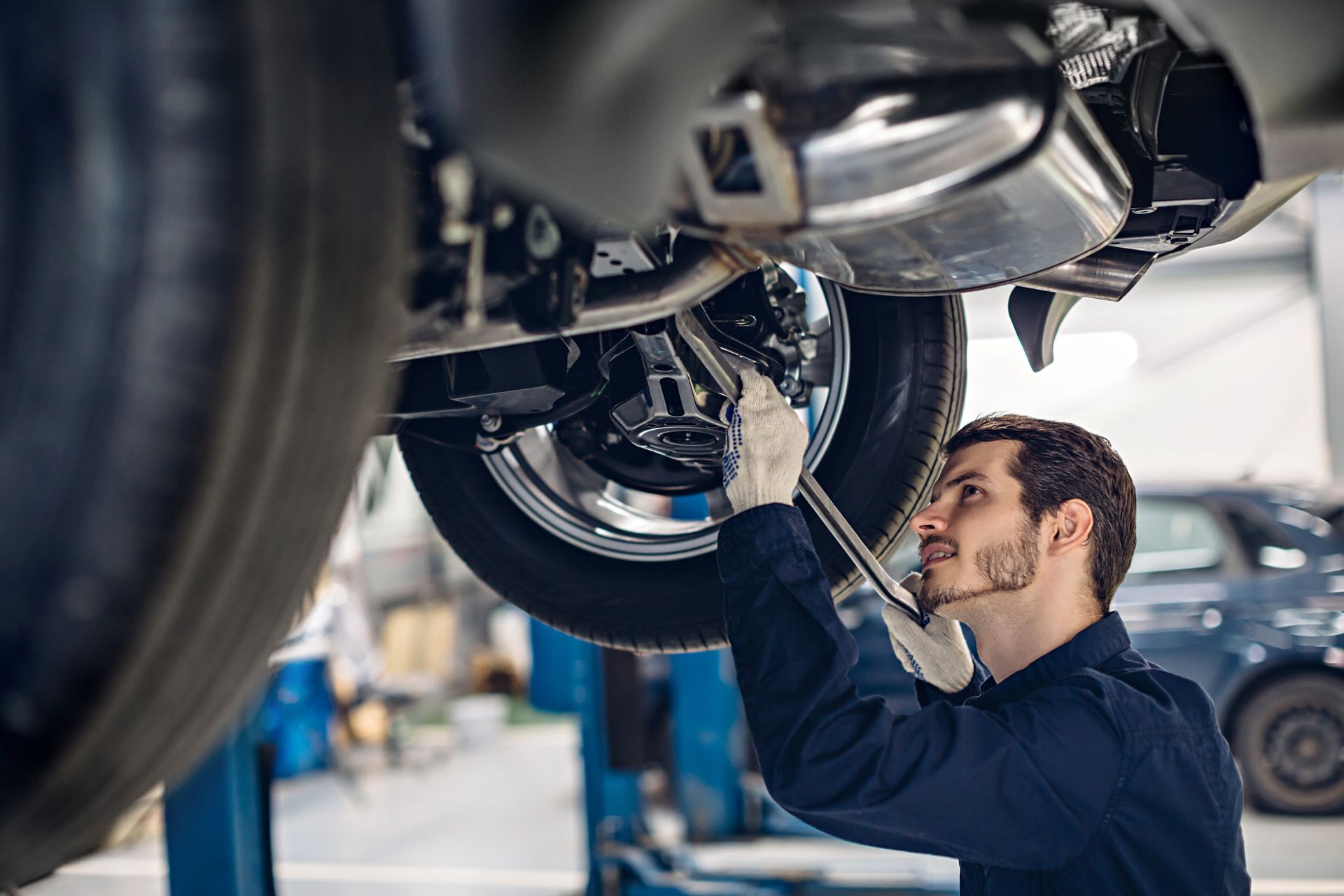
The suspension system is responsible for maintaining the connection between your car’s body and the wheels while absorbing shock from the road. It’s made up of several key components, including the springs, shock absorbers (or struts), control arms, and bushings. All these parts work together to provide a stable ride, but like anything mechanical, they are subject to wear and tear over time.
Common Causes of Suspension Wear
There are a number of factors that can accelerate the wear of your car’s suspension. Some are unavoidable, while others can be managed with proper care and maintenance. Here are some of the most common causes:
1. Rough Roads and Potholes
One of the biggest enemies of your car’s suspension is rough road conditions. Every time you drive over a pothole or uneven terrain, your suspension absorbs the shock. While modern suspension systems are designed to handle these jolts, constant exposure to rough roads can cause the springs and shock absorbers to wear out more quickly. Over time, this leads to decreased performance, making the ride bumpier and potentially even causing alignment issues.
2. Normal Wear and Tear
Like many parts of your car, the suspension system will naturally wear out over time. The springs lose tension, the shocks lose their ability to absorb impact, and the bushings can become worn and cracked. These issues don’t usually happen overnight but are instead the result of thousands of miles on the road. Keeping an eye on your suspension’s performance can help you spot early signs of wear and get ahead of major issues.
3. Overloading the Vehicle
Your suspension is designed to handle the weight of your vehicle and its typical load, including passengers and cargo. But if you frequently overload your car with heavy items, it can put extra strain on the suspension. Over time, this additional weight can cause the springs to sag and the shocks to wear out faster, leading to reduced performance and a more uncomfortable ride.
4. Failing to Maintain the Suspension
Like any other part of your vehicle, the suspension needs regular maintenance to stay in good working order. Failing to inspect your suspension components for wear, and ignoring other maintenance tasks like wheel alignments, can lead to accelerated wear and tear. Over time, small issues can turn into larger, more expensive problems if they’re not addressed.
Signs Your Suspension is Wearing Out
While some suspension wear is inevitable, knowing the signs of a worn-out suspension can help you address issues before they become major problems. Here are some red flags to watch out for:
- Bumpy or Uncomfortable Ride: If your car feels rougher on the road than usual, it could be a sign that your suspension is losing its ability to absorb impact.
- Uneven Tire Wear: A failing suspension can cause uneven tire wear, which is a result of poor alignment.
- Pulling to One Side: If your car tends to pull to one side, it could be an indication of suspension or alignment issues.
- Nose-Diving or Excessive Bouncing: If your car dips forward when braking or bounces more than usual after hitting a bump, your shocks or struts might be wearing out.
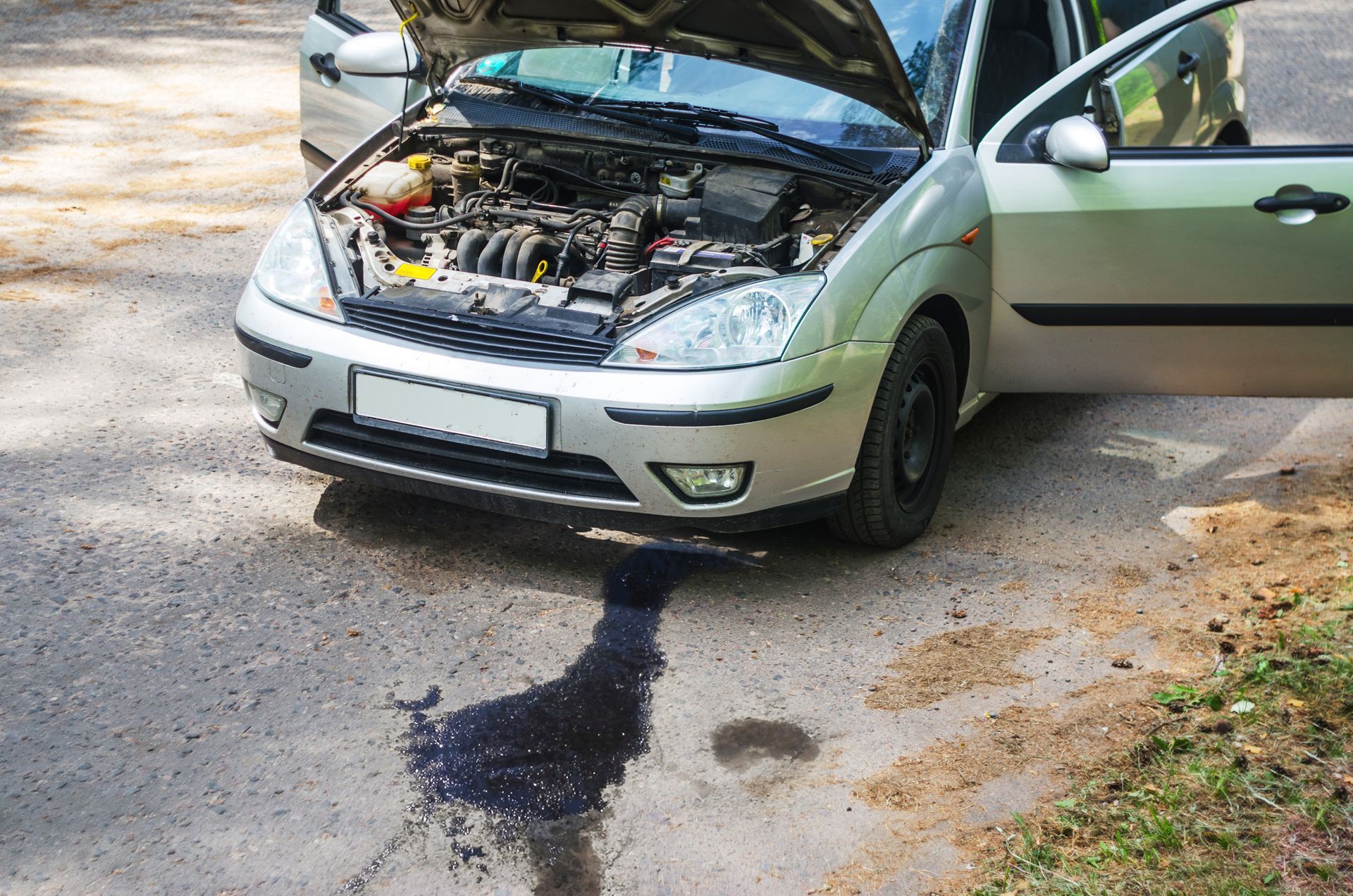
- Leaking Fluid: Shock absorbers contain fluid to help absorb road impacts. If you notice any fluid leaks around your suspension components, it’s time for a check-up.
How to Prolong the Life of Your Suspension
While suspension wear is inevitable, there are a few ways to slow down the process and keep your system running smoothly:
- Drive Carefully: Avoid rough roads when possible, and try to steer clear of potholes. Reducing the impact on your suspension can help prolong its life.
- Don’t Overload Your Vehicle: Be mindful of your vehicle’s weight limits and avoid overloading it with excessive cargo, which can strain the suspension.
- Regular Maintenance: Make sure to have your suspension system checked during routine vehicle inspections. Stay on top of tire rotations and alignments to avoid uneven wear.
Maintaining your car’s suspension is key to keeping it in top condition and ensuring a comfortable ride. If you notice any signs of wear or it’s been a while since your last suspension check, don’t wait until the problem gets worse.
If your ride feels bumpier than normal, it’s time to give your suspension some attention.
JAK'S Tire & Auto offers professional suspension inspections and repairs to get you back on the road with confidence. Call us now to set up your appointment!