Few things are as unnerving as seeing your check engine light suddenly illuminate while you're driving. It can range from being a minor issue to something that demands immediate attention, and for many drivers, it raises an immediate question: Can I keep driving, or do I need to stop right away? The truth is, the check engine light can mean a variety of things, and understanding what it represents can save you time, money, and unnecessary stress. Let’s break down what you should know if your check engine light comes on and how to handle it safely.
What Does the Check Engine Light Mean?
The check engine light is part of your vehicle’s on board diagnostics system (OBD). When something goes wrong within the engine or related systems, the OBD triggers the light on your dashboard. The purpose of this warning light is to alert you that something isn't right, but it doesn’t always mean your car is about to break down.
It could be a simple issue, or it could indicate something more serious, like a failing oxygen sensor, ignition coil problems, or even a malfunctioning catalytic converter. The light is your car's way of telling you to investigate further, but it doesn’t give you the exact diagnosis on its own.
Can You Continue Driving With the Light On?
It depends. If the check engine light is steady and your car seems to be running fine, you may be able to drive for a short period, but you should still get it checked out as soon as possible. A steady light typically signals a less urgent problem, but that doesn’t mean it can be ignored.
However, if the check engine light starts blinking, it's a whole different story. A blinking light usually indicates a severe engine misfire, which can lead to further damage if ignored. In such cases, driving your car can cause long-term damage to the engine, which will likely result in expensive repairs.
Should You Pull Over?
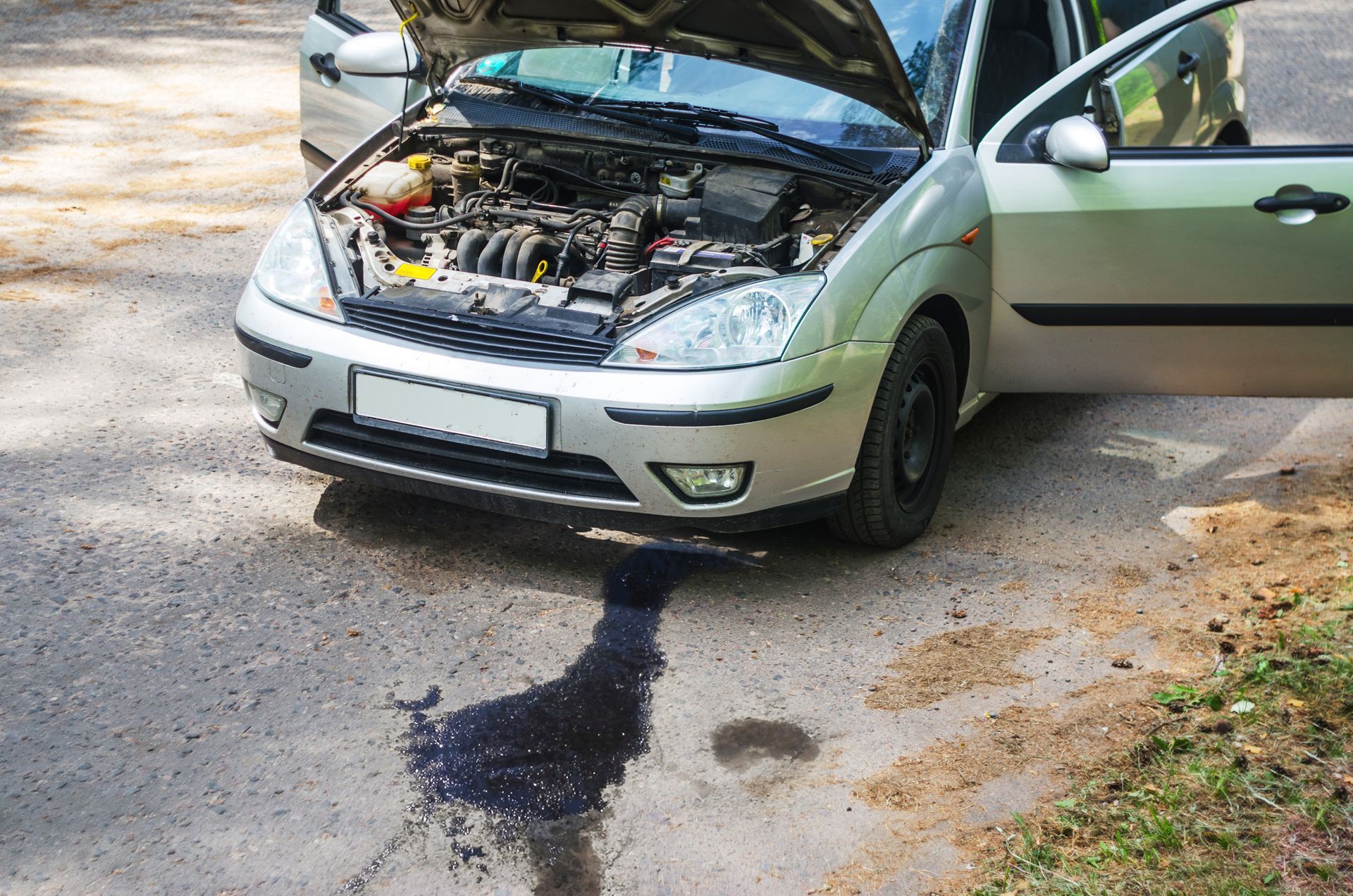
While a solid check engine light may not warrant immediate panic, there are certain scenarios where pulling over is the safest option. If you notice any of the following symptoms alongside the light being on, it’s best to stop driving immediately and call for help:
- Strange noises coming from the engine
- Smoke from the exhaust or under the hood
- Significant loss of power
- Unusual vibrations
- Overheating
If you experience any of these, continuing to drive can turn a minor issue into a major repair. It's always better to err on the side of caution in these situations.
Common Causes of a Check Engine Light
Oxygen Sensor Issues
The oxygen sensor monitors the amount of unburned oxygen in your car's exhaust. If it fails, it can cause poor fuel economy and increased emissions, which is bad for both your car and the environment.
Catalytic Converter Failure
This component is crucial for converting harmful gasses from your car’s exhaust into less harmful emissions. If it’s not working properly, your car may run poorly, and the check engine light will alert you.
Faulty Spark Plugs or Ignition Coils
Spark plugs ignite the air-fuel mixture in the engine, and faulty plugs or ignition coils can cause engine misfires. Over time, this can lead to more significant damage.
Mass Airflow Sensor Issues
The mass airflow sensor tells your car’s computer how much air is entering the engine. When it fails, it can lead to poor engine performance and reduced fuel efficiency.
Steps to Take When the Check Engine Light Comes On
Observe your car’s performance
Are there any other signs that something might be wrong, like unusual sounds, reduced performance, or odd vibrations? If your car seems to be running fine, it’s probably safe to keep driving—but don't ignore the issue.
Schedule a diagnostic check
Even if your car seems to be functioning properly, you should take it to a professional to have the system diagnosed. Ignoring the light for too long could result in a more severe problem down the road.
Avoid driving if the light blinks
As mentioned earlier, a blinking check engine light is a sign of a critical issue, and driving your car can cause further damage. Pull over safely and get your car towed to a repair shop for inspection.
Preventative Maintenance Can Help
Many check engine light triggers can be avoided through regular maintenance. Keeping up with routine services such as oil changes, spark plug replacements, and fuel system cleaning can prevent many of the issues that cause the light to turn on. By staying on top of your car’s maintenance schedule, you’re less likely to face unexpected surprises on the road.
Has your check engine light come on? Don't wait until it's too late. Visit
JAK'S Tire & Auto for a thorough inspection. Our expert technicians will diagnose the issue and get you back on the road in no time!