Have you ever marveled at how effortlessly you can steer your car, guiding it through tight turns and winding roads with just a slight wheel movement? The magic behind this lies in the car's steering system, an engineering marvel that combines mechanics, hydraulics, and now electronics to ensure precise control and smooth operation.
Understanding the Basics
At its core, a car steering system is designed to convert the rotational movement of the steering wheel into the angular turning of the car's wheels, allowing the driver to control the direction of the vehicle. While this might sound straightforward, the process involves a complex interplay of components that work together to provide a responsive and reliable driving experience.
The primary components of a traditional steering system include the steering wheel, steering column, steering gear, and the linkage connecting the steering gear to the wheels. Each component plays a critical role in ensuring that the driver's input is accurately translated into the movement of the wheels.
Types of Steering Systems - Manual, Hydraulic, and Electric
Steering systems have evolved significantly over the years, with advancements in technology leading to the development of different types of systems. Let's take a closer look at the three main types: manual, hydraulic, and electric power steering.
Manual Steering Systems
The earliest form of steering systems, manual steering relies entirely on the driver's physical effort to turn the wheels. The steering wheel is connected to the steering gear via the steering column, and the gear is linked to the wheels through a series of linkages. While simple and reliable, manual steering systems can be physically demanding, especially at low speeds or when the car is stationary.
Hydraulic Power Steering (HPS)
Hydraulic power steering systems were introduced to alleviate the physical effort required for manual steering. These systems use a hydraulic pump driven by the engine to provide additional force to the steering mechanism. When the driver turns the steering wheel, hydraulic fluid is directed to a cylinder that assists in turning the wheels. This makes steering much easier and more comfortable, especially at low speeds.
Electric Power Steering (EPS)
The latest advancement in steering technology, electric power steering systems use an electric motor to assist in steering. Unlike hydraulic systems, EPS eliminates the need for a hydraulic pump and fluid, making the system more efficient and reducing maintenance requirements. The electric motor provides assistance based on the driver's input and vehicle speed, offering a precise and customizable steering feel.
The Role of the Steering Gear
The steering gear, also known as the steering rack or gearbox, is a crucial component in the steering system. Its primary function is to convert the rotational motion of the steering wheel into the linear motion needed to turn the wheels. There are several types of steering gears, each with its own unique mechanism:
Rack and Pinion Steering Gear
The most common type of steering gear in modern cars, the rack and pinion system consists of a circular gear (pinion) that meshes with a linear gear (rack). When the driver turns the steering wheel, the pinion rotates, moving the rack left or right. This linear motion is then transmitted to the wheels through the steering linkage.
Recirculating Ball Steering Gear
Used mainly in older vehicles and heavy-duty trucks, the recirculating ball system features a worm gear and a sector gear. The steering wheel turns the worm gear, which moves the sector gear through a series of ball bearings. This system is known for its durability and ability to handle heavy loads.
Advanced Steering Technologies
As automotive technology continues to advance, new steering systems are being developed to enhance driving performance and safety. Two notable innovations are variable steering and steer-by-wire systems.
Variable Steering Systems
Traditional steering systems provide a fixed steering ratio, meaning the relationship between the steering wheel's rotation and the wheels' angle remains constant. Variable steering systems, on the other hand, adjust the steering ratio based on driving conditions. At low speeds, the system provides more steering assistance for easier maneuvering, while at high speeds, it reduces assistance for better stability and control.
Steer-by-Wire Systems
One of the most futuristic advancements in steering technology, steer-by-wire systems eliminate the mechanical connection between the steering wheel and the wheels. Instead, electronic controls and actuators handle the steering function. This allows for more precise control, reduced weight, and increased design flexibility. Additionally, steer-by-wire systems can integrate with autonomous driving technologies, paving the way for self-driving cars.
Maintenance and Safety
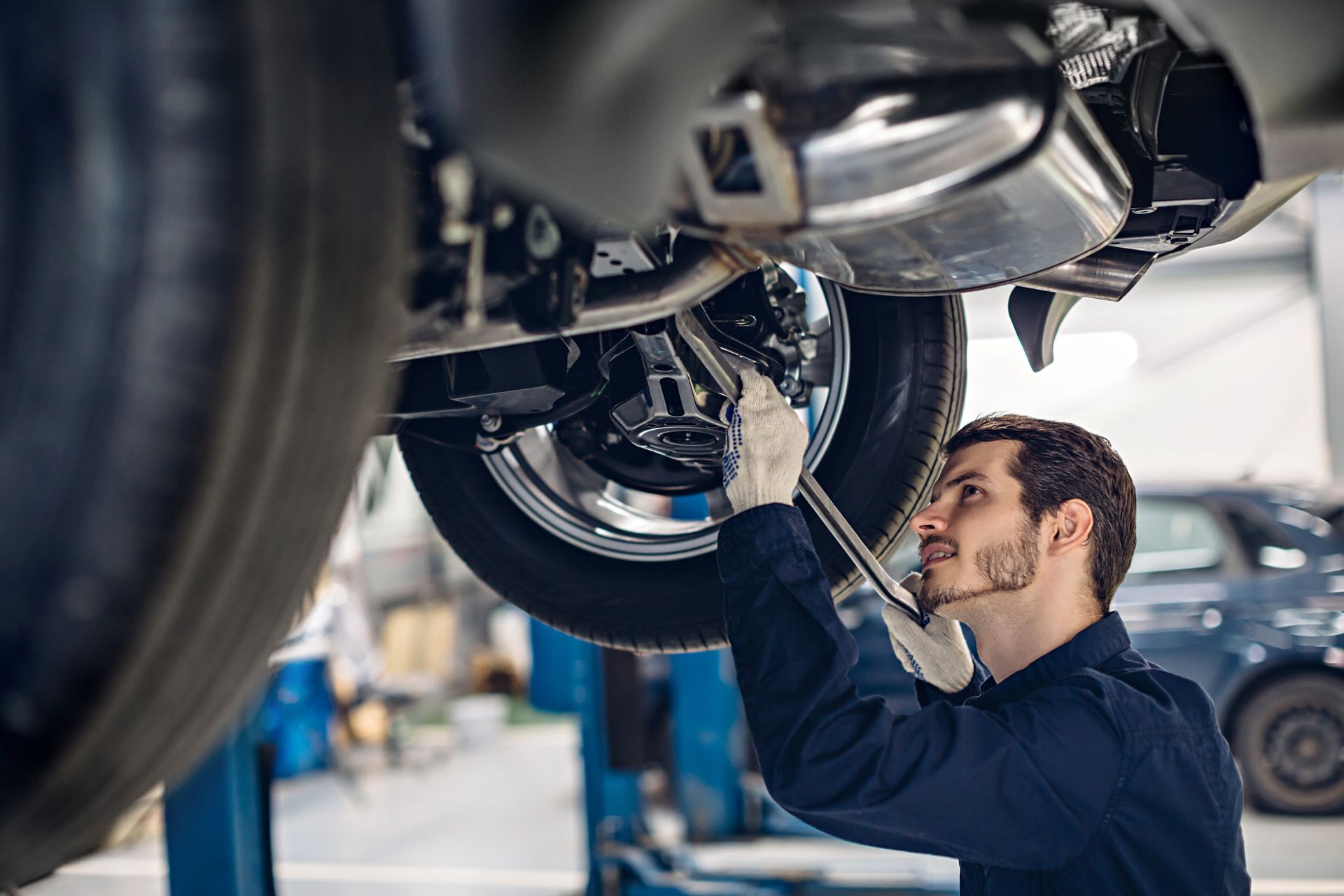
Proper maintenance of your steering system is essential for safe and reliable vehicle operation. Regular inspections and timely repairs can prevent potential issues and extend the lifespan of your steering components. Here are some key maintenance tips:
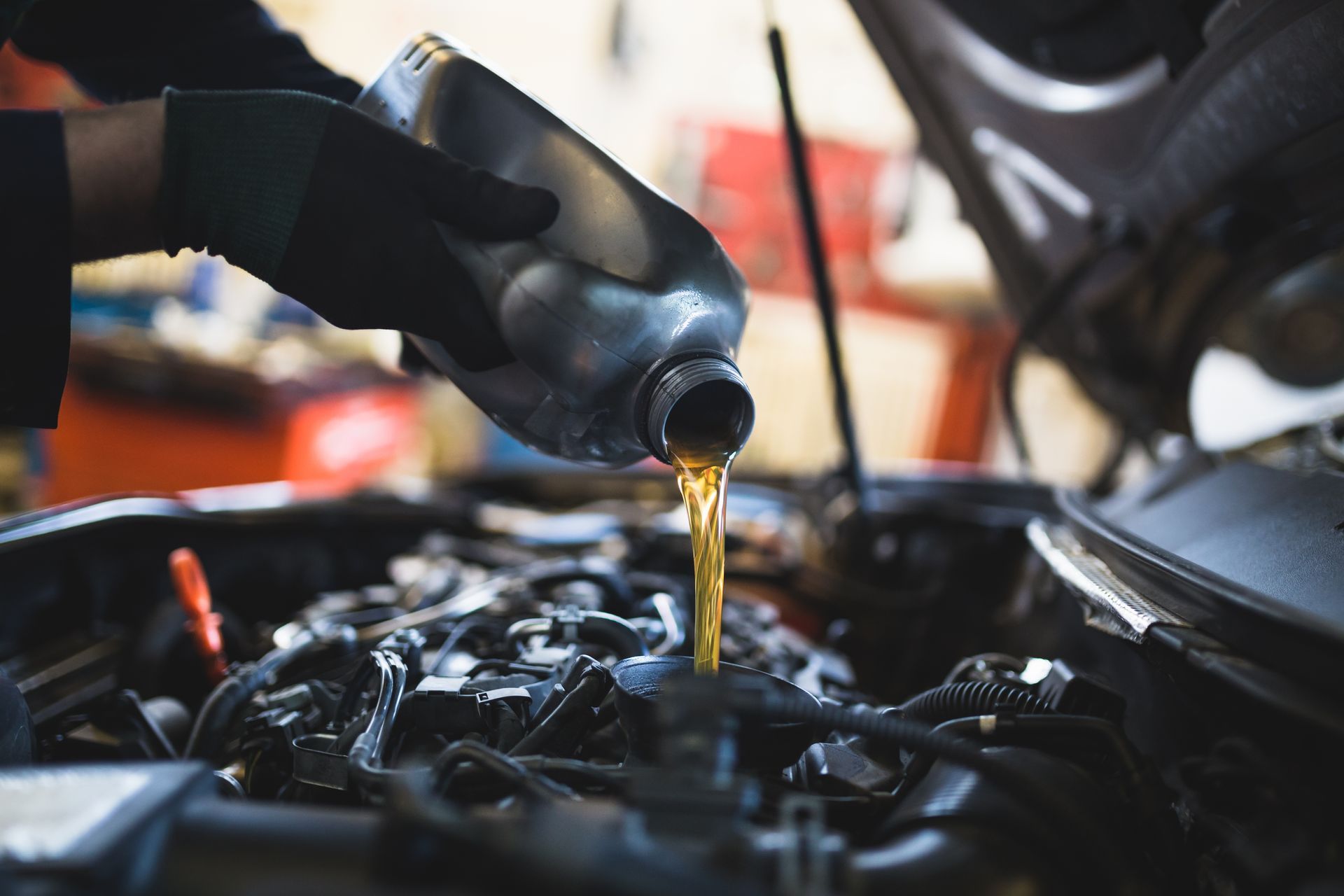
- Check Fluid Levels: For hydraulic power steering systems, regularly check the power steering fluid level and top it up as needed. Low fluid levels can lead to increased steering effort and potential damage to the pump.
- Inspect for Leaks: Keep an eye out for any signs of fluid leaks around the steering components. Leaks can indicate worn seals or damaged hoses that need to be addressed promptly.
- Monitor Steering Response: Pay attention to how your steering feels. If you notice increased effort, unusual noises, or a delay in response, have your steering system inspected by a professional.
- Align the Wheels: Regular wheel alignments ensure that your wheels are pointing in the correct direction, reducing unnecessary wear on the steering components and tires.
Don't let steering issues compromise your safety. Visit
JAK'S Tire & Auto for a thorough steering system inspection and ensure your vehicle is in top condition!