Are you noticing mysterious puddles of oil under your car? Oil leaks are common, especially in older vehicles with higher mileage. In this article, we'll explore the various reasons for oil leaks, shed light on potential causes, and offer insights into preventive measures to keep your engine running at its best.
Worn Gaskets and Seals
One of the primary culprits behind oil leaks in high-mileage cars is worn gaskets and seals. Over time, the rubber or silicone seals and gaskets that prevent oil from escaping various engine components may degrade, leading to leaks.
Common areas prone to seal and gasket failure include the valve cover gasket, oil pan gasket, and camshaft seals. As these components wear out, oil can seep out, resulting in visible leaks.
Degraded Oil Pan
The oil pan, located at the bottom of the engine, serves as a reservoir for engine oil. In high-mileage cars, the oil pan can become corroded or damaged due to exposure to road debris, rust, or contaminants in the oil.
This corrosion can compromise the integrity of the oil pan, causing it to develop cracks or holes through which oil can leak. Regular inspection of the oil pan and timely repairs or replacements can help prevent oil leaks and maintain proper lubrication.
Worn Piston Rings
Piston rings are essential components that help seal the combustion chamber and prevent oil from entering it. In older cars, piston rings may wear out over time, allowing oil to bypass them and leak into the combustion chamber or seep past the piston into the crankcase.
This can result in excessive oil consumption, visible smoke from the exhaust, and oil leaks around the engine's base. Addressing worn piston rings may require engine disassembly and overhaul by a qualified mechanic.
The Significance of Regular Maintenance in Preventing Oil Leaks
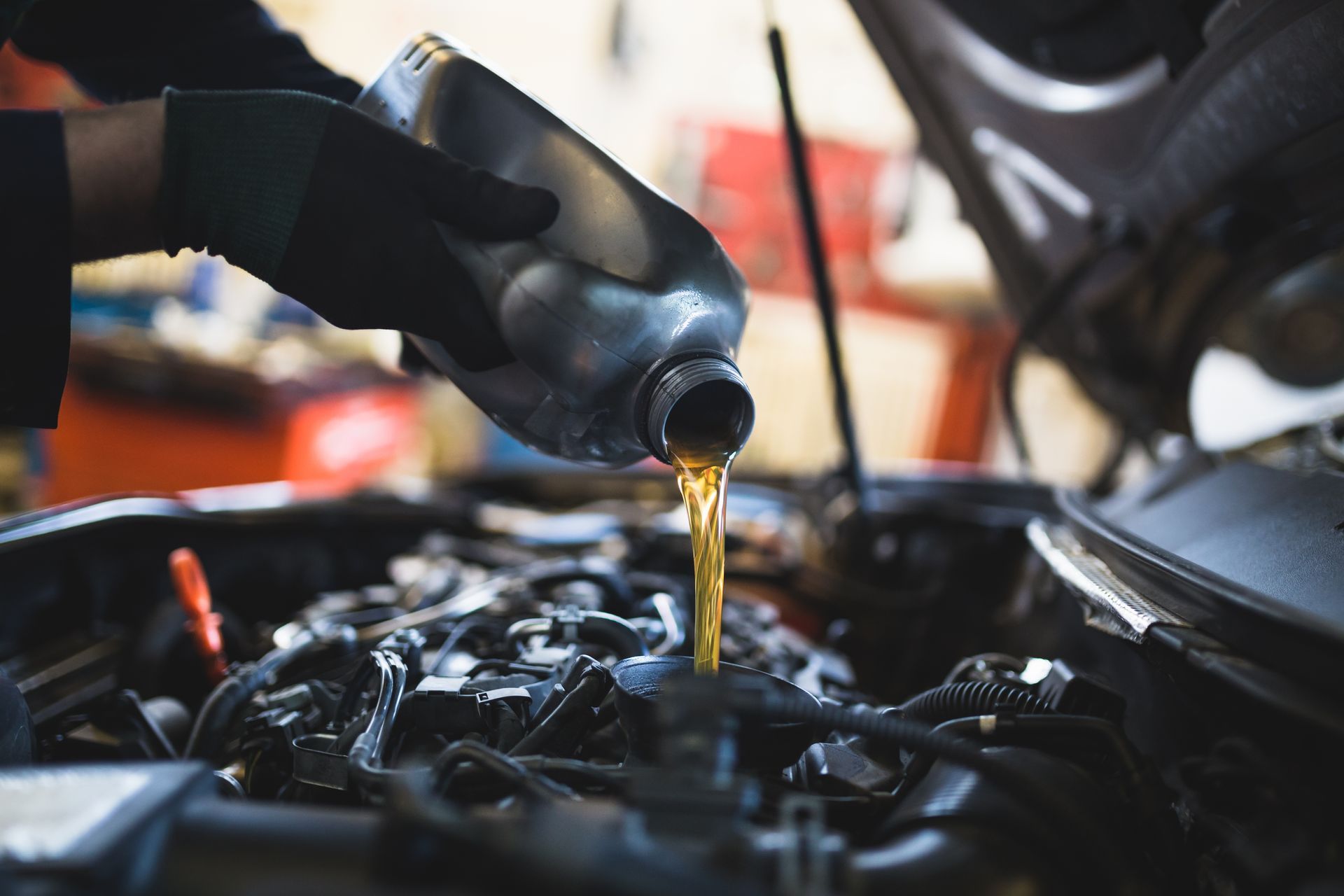
Regular maintenance can prevent major oil leaks and associated engine issues in high-mileage cars. Scheduled oil changes, inspections of gaskets, seals, and engine components, as well as addressing any signs of oil leaks promptly, can help maintain the integrity of the engine's lubrication system. By detecting and addressing minor leaks early on, drivers can avoid costly repairs and ensure the longevity and reliability of their vehicles.
Oil Leaks Questions
How can I tell if my car has an oil leak?
Common signs of an oil leak include puddles or oil spots under the vehicle, a burning oil smell, low oil levels indicated on the dipstick, or the oil pressure warning light on the dashboard.
Is it safe to continue driving with an oil leak?
While small oil leaks may not immediately affect drivability, they can lead to low oil levels and potential engine damage if left unaddressed.
Can I fix an oil leak, or should I visit a mechanic?
The complexity of repairing an oil leak depends on its cause and severity. While minor leaks, such as those caused by loose bolts or worn gaskets, may be at-home-repairable, more significant leaks or internal engine issues require professional attention from a qualified mechanic.
Ready to bid farewell to pesky oil leaks? Let JAK'S Tire & Auto be your trusted partner in automotive care. Contact us now to book your maintenance or repair appointment and enjoy peace of mind on the road!